

Hi all,
I’ve been away for a very long time - I’m sorry. I’ve even written a couple of Substacks but not published them: one, because it felt turgid and sermon-like (which is my least favourite kind of writing), the other because it just felt like too much.
Well, buckle up, because here’s the too much one. I wrote it a while ago, around the time that The Devil Wears Prada 2 came out. I now work at a magazine that, at times, feels very like the fictional Runway of that movie, and when the topic of the sequel was floated, someone said, ‘We’re all in this room because of that movie.’
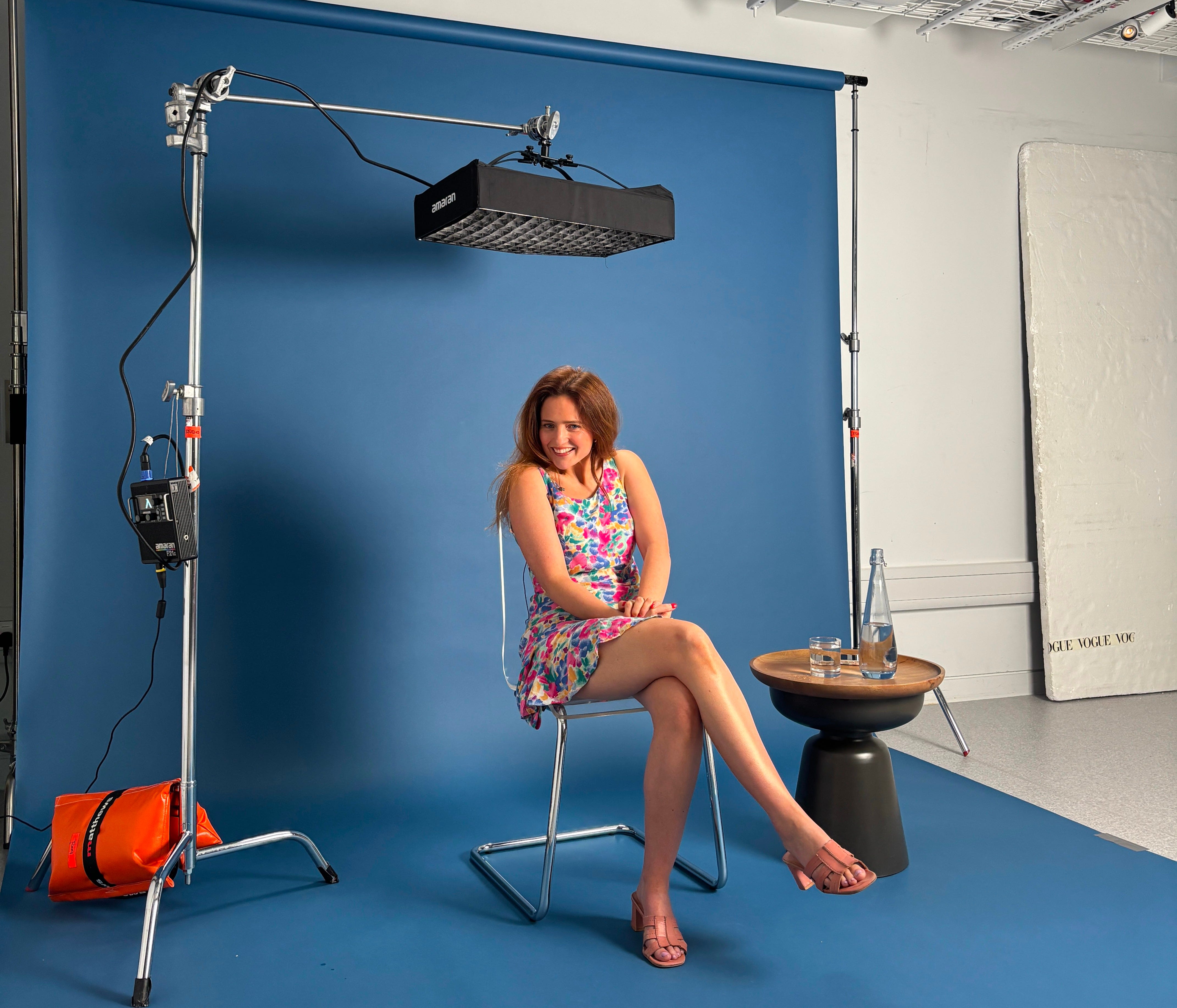
It was a fascinating comment, because I thought: I definitely am not in this room because of that movie. I loved it of course - in particular that Cerulean scene where Meryl issues a crisp precis of why fashion isn’t frippery to be dismissed - yet it never influenced me career-wise. I suspect when I watched it in 2006, that glossy world of wardrobes stuffed full of Chanel for the taking already seemed out of reach.
But the conversation got me thinking: how had I ended up in that room? I have a true pinch-me job, and looking back on the path that led me here, it was long and meandering, full of strange echoes, detours, lessons learnt, a share of luck, times that I took my foot off the pedal, times that I slammed it down. I’d like to lay this somewhat chequered curriculum vitae out. I wish I had known when I started out that most careers were not sleek race courses leading, with a few curls along the way, to a finishing line. Instead, in my experience, a career is a messy march, filled with dead-ends that crush you at the time but are undoubted blessings when looked back upon, diversions, cop-outs, and seminal moments one can only detect when looking at the whole thing in review…
The Work Experience Years
Ah, the financial crash of 2008… what a wonderful time to graduate, just as all the money left the building.
Let me paint you a picture: I was 21, a bookworm, an English Literature graduate, no actual work experience, no experience of having gone travelling (which might have toughened me up a little).
I decided that, because I loved books, I would work in publishing. Back then, to be in with a chance of getting a highly sought-after entry level job - an editorial assistant role paying around £18,000 a year - you had to do aeons of unpaid work experience. So I did. I did internships at literary agents - at one in Notting Hill, the office was hidden behind sliding book shelves in the basement of a bookshop - and at publishing houses. The work was quite dull but the world, the commissioning and publishing of books, seemed magical.
My first ‘proper’ job
I finally landed my first ‘proper’ job - temporarily filling in as editorial assistant for a Big Deal editor. I had done work experience at the publishing house, stayed in touch with someone who worked there, and went to lunch with her. She said, ‘We need someone to assist Blah Blah for a bit, would you like to come in?’ She later told me that if I hadn’t been at lunch with her that day, the job wouldn’t have been a possibility. And I almost wasn’t at lunch with her that day as I had gone out the night before, got heinously drunk and, on a crippling hangover, almost cancelled the lunch.
I have sometimes wondered what might have been if I had cancelled because Blah Blah happened to be a very unpleasant person who (I suspect) enjoyed cutting down young women who worked for her. She had gone through seven assistants in five years; red flag, as we didn’t say back then. I can’t remember the juicy details of what she actually did but I do recall feeling very stupid while I worked there and being told by one of her former assistants that when she and Blah Blah parted ways, it took time to get herself back on track. That’s something I always remembered: just like a bad relationship, a bad working environment won’t release you the moment you choose to exit; entering into those dynamics takes something from you (namely confidence) that won’t come back the minute you leave.
Anyhow, Blah Blah advertised the job I was doing; I applied and she didn’t acknowledge my application, but instead asked me to schedule interviews for my replacement. I screwed up all my courage and asked for a meeting to discuss my application. She told me I wasn’t strong enough to be her assistant - probably true - and I wept in front of her. They wouldn’t be my first tears in the work place.
It was a horrible experience and cast a dark shadow for a while but I’m thankful for it because - along with the fact that I never seemed to be in the right place at the right time to land a job - my time with Blah Blah put me off publishing.
It just wasn’t that fun, and if you’re going to be paid peanuts, it better be fun. In my mind, publishing would be reading all day and discovering the next Zadie Smith. I soon learnt that I would be expected to read unpublished manuscripts in my free time (I could read great books in my free time) and that the slush pile was a scary place to go looking for the next Zadie. Instead, the job really consisted of manning someone’s diary, booking their travel, putting things in ExCel documents and all these organisational things I have always hated and always been terrible at.
I’m sure at a higher level the work gets more interesting but I have never regretted not pursuing a career in that industry.
Waitress and unpublished novelist
I got a part-time job as a waitress at a restaurant in Holborn. To this day, being a waitress was one of the most fun jobs I’ve ever had. What I liked was being rushed off my feet, having a giggle with my fellow waiting staff, a flirt with the certifiably insane chef, and the fleeting interactions with customers. It was a mad, family-run place - the woman was Scottish, the man was Iranian, the restaurant was French, and every now and again their son, a pilot, would inexplicably come in to manage it. As I stayed there, and time passed, I could hear that tick tick tick of anxiety: why am I still a waitress? I have a degree. Oh my God will I ever leave?
But even now, I think: oh to be young and a waitress in Central London…
I was also trying to be a proper writer. I did the Faber & Faber course, landed a literary agent, and then, oh God, tried to write the fucking book. It was a nightmare. A horribly lonely and maddening experience. I finally finished the thing because I had to and I loathed it. And then my agent sent it out to publishers and nobody took it and it felt like an awful failure, and still does, in truth. Yet I’m also glad that that book, as it was, didn’t wing its way out into the world as it just wasn’t very good.
So now we are at my quarter-life crisis: 25, another dead-end, so I did what most people would: I went to live in Venice for three months, studying Italian (not a word of which I retain to this day), then I returned to London and got a job at a bookshop, all while my alcoholism really took a hold…
A bookseller at Daunt Books
People are often curious when they find out I worked at Daunt Books. ‘Oh, which one? Was it just wonderful?’ Working in a bookshop, like being a florist, is one of those jobs people romanticise; it seems picturesque and whimsical. In some ways, the job was exactly what people imagine. Daunt is a very genteel company, all the shops are gorgeous (bookshelves done up in William Morris material, lighting that makes the shop glow like a jewel), the staff are treated well and many stay for yonks and, yes, everyone who works there is nutso about books.
And yet, I wasn’t very happy during my Daunt stint. My drinking had got really bad by this point so there was a baseline of misery from that and I don’t think I was cut out to work in a bookshop. There was a lot of standing around and doing nothing (well, we were supposed to do light dusting or restocking, but I am also sometimes quite lazy so I just stood around in a daze much of the time).
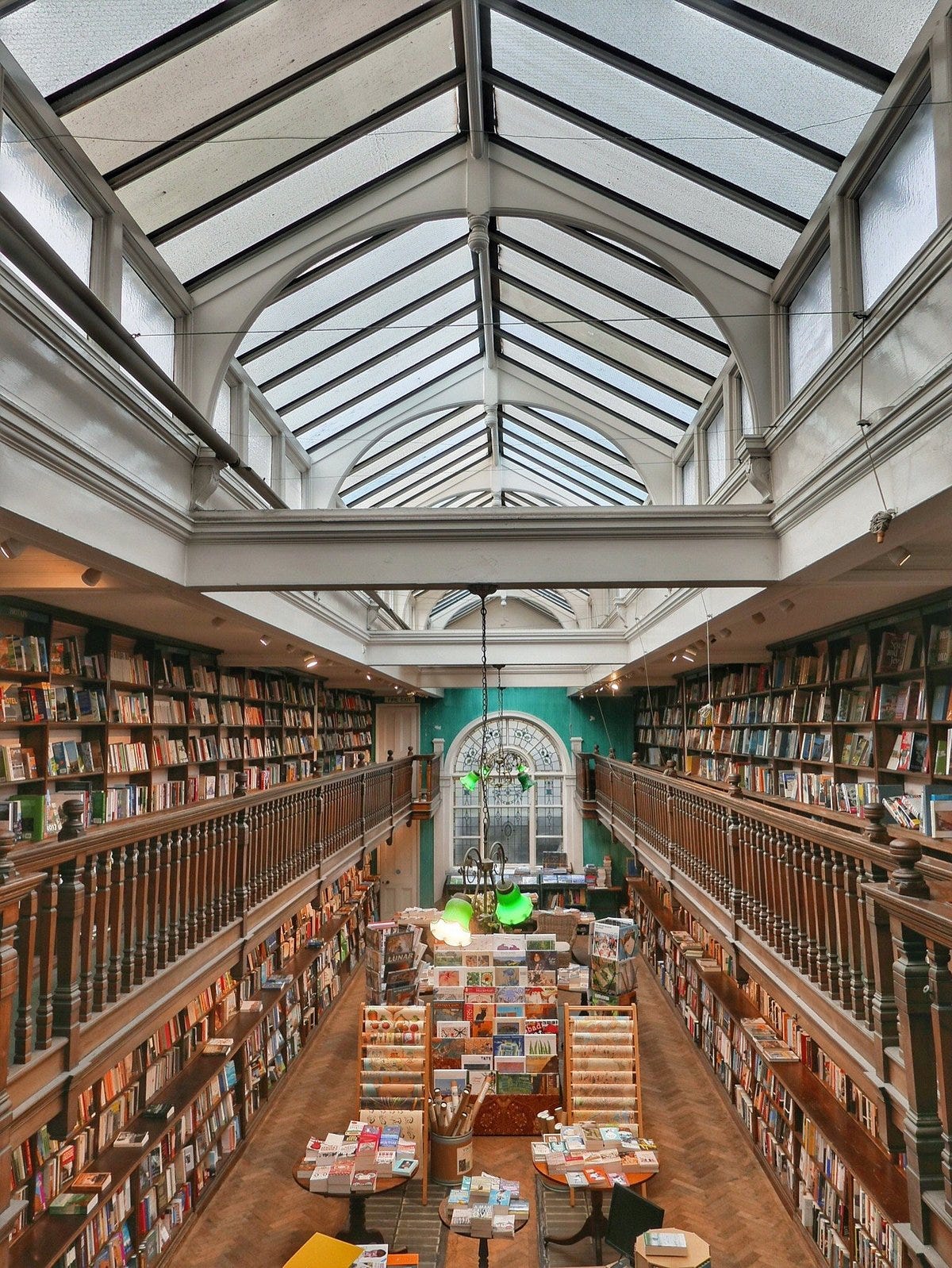
But, I have to say, Daunt was the absolute best place to work for a celebrity spot. In my time there, I encountered: Adele (buying books by the basket in the Chelsea branch to build a library), Peter Mandelson (he asked for a discount, verboten at Daunt - except for staff, we got a jammy 45 per cent off), the late Maggie Smith (I jostled her by accident and always felt bad about it), Emma Thompson (as delightful as you want her to be), Nigella Lawson, Helena Bonham Carter (very Hampstead)... and many more…
Work Experience Part Two - the Journalism instalment
It was actually through Daunt that I found journalism. There was a lovely girl who worked at Daunt called Lucy, a tiny twig-like girl with a thick wodge of blonde hair; one of those people who seem to sprinkle fairy dust on everything. I knew her only briefly and yet she had an outsized effect on the course of my life.
She was bright and bored at Daunt and she invited me, ‘to pilates and then we can go to a Mexican restaurant and plan our lives.’ This is just the sort of invitation that enthralls me and so of course I went. At the restaurant, I told her I had no idea what I wanted to do for a job and she told me to write down three things I might be vaguely interested in. I did and they were: literary agent, journalist, lawyer. She had studied to be a journalist. ‘I definitely don’t think you should be a journalist but my friend is at a magazine and you can talk to her if you want. She’ll be at my end-of-summer party.’ (Lucy was just the sort of person to throw an end of summer party.)
I went, met her pal, who duly set me up with a week of work experience at Woman and Woman’s Own magazines. I took the time as annual leave, walked into an office of people typing loudly, reading newspapers, talking about ‘stories’, and I was hooked. The deputy editor asked me to find a female ‘gamer’.
‘Someone who plays mind games?’ I said.
‘No, someone who is obsessed with video games,’ she replied.
I had absolutely no idea how I was going to find this person. I didn’t have my own Twitter account and had to borrow my flatmate’s (thank you, Melsy!). I found my gamer using the hashtag ‘journo request’ (does that still exist?!), interviewed her and wrote up the article.
The features editor went through the piece with me, explained where the writing had to be tighter, what had to be moved down, what had to be moved up. The piece was published and I got paid; this seemed a miracle of alchemy, to turn speaking with someone and writing it up into cold hard cash. (It still sometimes seems like alchemy even now.)
The editor told me she could keep me on at three days a week, paying quite a decent rate per shift. I readily agreed - went part-time at Daunt - and, looking back, her kindness was an essential component in the beginning of my journalism career. But also, it was all so easy. It would not always be easy but in the beginning, things did slot into place. In my experience, when you feel the wind is behind you and the course is smooth, that’s a very good indication that you are heading in the right direction.
Oh, and on work experience, let me tell you about one particular placement, at the Mail On Sunday. I was on the features desk when one writer came up to give me a task. Could I go through The Sun’s Page Threes, from 1981 to 1997 (or something!) and make a note of every time Lucy (say) from Harlesden (say) appeared?
Yes, I said, but why? The reporter looked shifty, as though I’d immediately whisk the story off to a competitor. Finally she said, stiffly, that a certain aristocrat was marrying a woman who had once appeared on Page Three and they were doing a story on it.
I spent the afternoon clicking through a thousand sets of bare breasts in The Sun archive. I don’t know how many I saw, they all rather blur into one. I emailed the reporter with a careful note of every time Lucy from Harlesden had appeared and when. She emailed back: ‘Holy guacamole! We’ve dropped the story now, but thanks!’
I ended up five years later with a job on that team, and worked with that writer. It’s a small biz; read into that what you want…
City
Yes, I went to City. It’s a cliche, really. To the uninitiated, City is probably the best journalism school in the UK. I’m not sure it merits that reputation and it certainly isn’t selective - if you can pony up the cash for the masters, you’re in - but many, many successful journalists have happened to go through City. It becomes something of a self-perpetuating loop: the alumni heavyweights help out recent leavers and those recent leavers clamber up to become heavyweights who then go on to help recent leavers etc. An old boys’ network of sorts.
I did Newspaper Journalism - and shouldn’t have. Newspaper was the most prestigious one. But I really should have gone for Magazine Journalism which focusses on the things I enjoy and am good at: long form writing, features etc. I am not a news hound, never have been and never will be. Even my papa told me to ‘do the one you actually want to do’.
But out of fear, I chose Newspaper. I knew journalism was a tough track and I was already frightened I wouldn’t get a job, so thought the prestigious one was a better bet.
Oddly, it took me quite a few years, but I did eventually end up working for a magazine. And it suits me far better than newspapers ever did. Here’s the lesson: have the audacity to go after what you want. If you actually enjoy it and are good at it (these things almost always go hand-in-hand in my experience), it’ll work out, somehow or other.
Mail Online
This was… I think… a misstep. At City, there was a thing I call graduate job fever. We all knew, even back then, that the industry was crumbling and first jobs were hard to come by. So everyone wanted to grab a hold of a floatation device known as a graduate scheme.
The big newspapers all had them, but the most famous was the Daily Mail print scheme for reporters. It was renowned for being rigorous but excellent training - and those graduates often flew off to become big names at other publications.
One good thing about City was that it trained you up for the cut-throat nature of news. Sharp elbows! In all my time working in newspapers, I saw some rat-like cunning but never the out-and-out vicious rivalry that broke out among my City class trying to land that first job.
Friendships broke down in the scramble to get spots on the graduate schemes.
I didn’t get on to the Daily Mail print scheme (I suspect they rightly deduced I had no real talent for news). But with a bit of chutzpah - getting the personal number of the person doing the recruiting and calling up to make my case - I landed a spot on the Mail Online scheme (less prestigious, but a first job in journalism is a first job in journalism).
The training part was great. I went off to the Birmingham Mail. (One memory from the local paper illustrates how much journalism has changed: in one week I was sent to three funerals (none of which I’d been invited to) for stories and the other reporters called me ‘the angel of death’ in the newsroom. I suspect it’s good that young journalists wouldn’t be sent on those jobs anymore.) But when I returned to the Mail Online HQ in Kensington I soon realised it wasn’t for me.
I don’t have the energy to go into exactly what working as a graduate reporter at that website entailed - and I’m sure the Mail Online bosses, including one editor who still trashes me, would counter that I was an entitled snowflake. But it wasn’t actually the ghastly atmosphere, endless night shifts and questionable ethics that got to me in the end; it was the requirement to write nine stories a day, do no kind of original journalism, and rip off the work of others that led me out the door.
A colleague was similarly disenchanted, hopped ship to The Sun (a much better place to work, surprising though it may be to some), and as a parting gift introduced me to an editor at a press agency who was looking for a reporter to join the exclusives team. I got the job and handed in my notice at Mail Online, breaking my (absolutely ridiculous) three-month notice period.
They screeched and the aforementioned editor deigned to have a conversation with me, informing me I’d never work in the industry again if I went through with leaving. I left; perhaps it was my first experience with that editor in publishing, but I’ve never cowed to bullies in the workplace since. And I was back in that building, in a much better job, five years later.
Sometimes the bridges you burn light the way.
SWNS
Ah, dear SWNS, the press agency where I really learnt everything I know. It was a ball; it was a madhouse; it was the hardest I’ve ever worked. (I have noticed as you climb the ladder, the money gets better and the work gets less; I’ve never worked as hard, for as little remuneration, as in that first role at SWNS but God was it fun and, really, what a training ground.)
I was on the exclusives team with a wonderful, charismatic, quite maddening editor who taught me how to keep sources on side and that nothing mattered but the story. We worked to targets - we had to sell a certain number of stories a month - and nothing focusses the mind quicker than a target to hit.
We had a tip line where members of the public could get in touch ‘to sell their story’. The mental illness this attracted was quite something, but amid the people who were raving mad (‘Tom Cruise is stalking me because I won’t go out with him’) and those who thought their battles with the broadband company were the stuff of national news, there were some gold-plated stories in there which we would place in (or rather ‘sell to’) newspapers. We broke many: the woman imprisoned in Egypt because she had antidepressants in her suitcase, the first British man to accuse Kevin Spacey of sexual misconduct, the girl refused entry to the US because border agents went through her phone and found texts referring to cocaine use.
I experienced the sugar high of landing a scoop. I learnt how to turn a story around quickly, stand it up, the importance of a top line and more and more and more. It was a great time. But for all the thrill of the job, I don’t think I ever felt fulfilled by the work. I certainly found it challenging and intellectually stimulating but ultimately, the stories didn’t mean all that much to me. At the worst of times, I found them quite depressing. I tried not to face that fact, but I would eventually have to.
(To note: I got sober just before I left the Mail. And my career got better and better. I didn’t even have to do anything really, just show up with a clear head and a good attitude - and sometimes the attitude was distinctly lacking, I can tell ya. But when I was drinking, that was a nigh-on impossible task. In active addiction, I was cripplingly hungover for around three days of the working week, the kind of hungover that leaves you clicking between browsers to appear like you’re working and going for long naps in the disabled loos. Looking back, it’s actually quite impressive that I attained mediocrity with such a handicap. All that to say, getting sober is an essential component of this curriculum vitae.)
New York! New York!
Sometimes you’re just in the right place at the right time. And that was certainly the case for me at SWNS when an email landed in my inbox from the big boss with the following words: ‘Hi Issy, Would you ever fancy a stint in New York? The operation out there is going great guns and we need more bodies to fuel the engine.’ Six weeks later, they had tripled my salary and I was on a one-way flight to JFK.
So in terms of work: I got to work with an editor called Shanti, who remains probably the best journalist I’ve ever worked with. She taught me many things but mainly that there is no hocuspocus to getting a story; it’s about polite but dogged persistence. (Too many journalists act as though there’s some dark art to getting stories.) But she was only there for three months and in all honesty, I had achieved all I was going to achieve with SWNS in London.
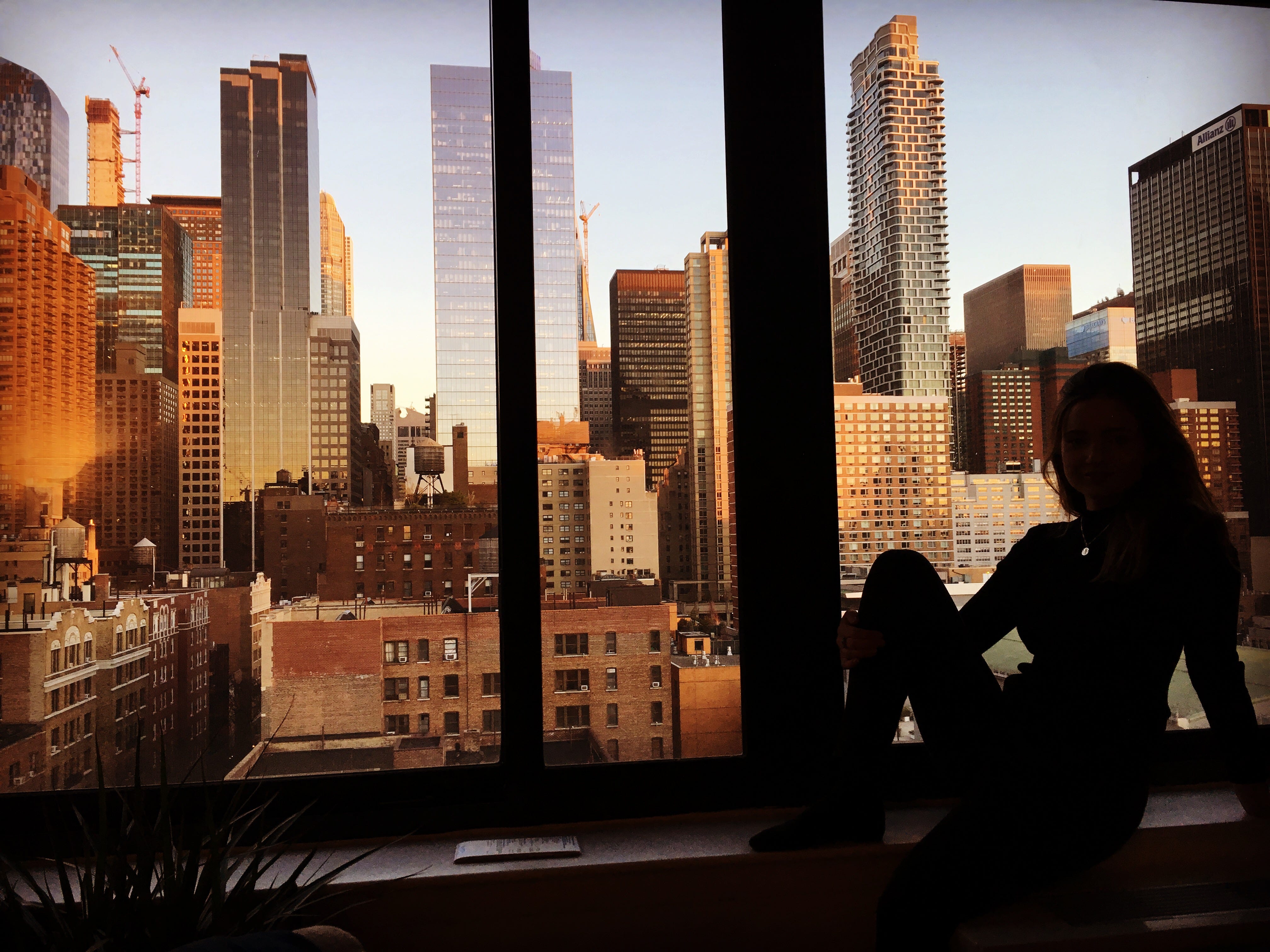
I was also too busy having the time of my life to bother much about work. I was in love with New York, a dervish of a city with its can-do, the-sky-is-the-limit attitude. For three years, I was far more interested in running about the East Village in a sundress with my girlfriends, dating unkind but irresistible American boys, meeting people who seemed to understand and accept me in a way I had never felt back home, than work.
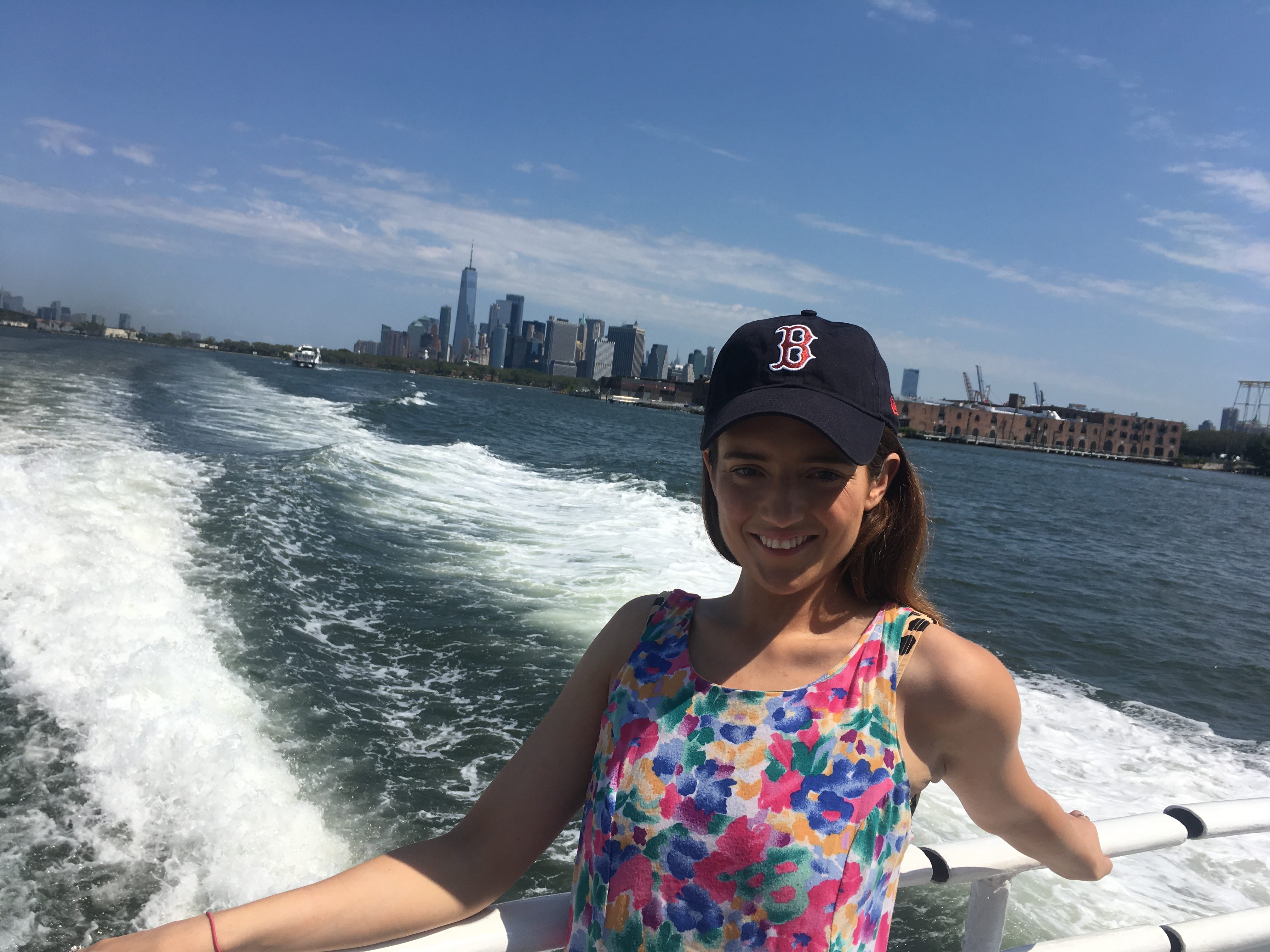
From time to time, I look back and think: ‘God! All the things I could have been doing! I could have really made something of myself there!’ But perhaps in life, some seasons are for labour and some are for leisure. I’m glad I had those three years of giddy fun, cycling across Brooklyn Bridge, skulking around Brooklyn Bridge Park, taking the boat out to Rockaway, eating oysters on someone’s rooftop, having wild makeouts against a chain-link fence in East River Park.
Though by the end, the stagnation I felt in my work life was getting to me. I was in the visa trap: shackled to a company I could see no future with but needed to stay with if I wished to remain in New York. I watched as friends around me moved on: got promotions, switched industries, sidestepped into other opportunities. My stasis began to feel like a quagmire; something inside me started to wither.
I’m someone who needs to feel engaged by their work. Not everyone is like that. Some people can clock in and out and have a lovely life outside of working hours. But for me, after three years, the fun had to come to an end.
The Mail on Sunday
Yes, I returned to the fold of the DMGT universe, to the very paper - and team - where I had scrolled through a thousand Page Three girls on work experience.
SWNS decided to call me home. I quit and, on a stroke of luck, back in those halcyon days when employers were struggling to fill vacancies, I came across an ad for a features writer role at the MoS.
It would be my first role in features - which is the long stories you find in newspapers and magazines. I needed a well-paying job, and the Mail could provide on the moolah side. I had a pal who worked there, who I knew from SWNS and is now a serious superstar at The Sun, and asked her to put in a good word for me.
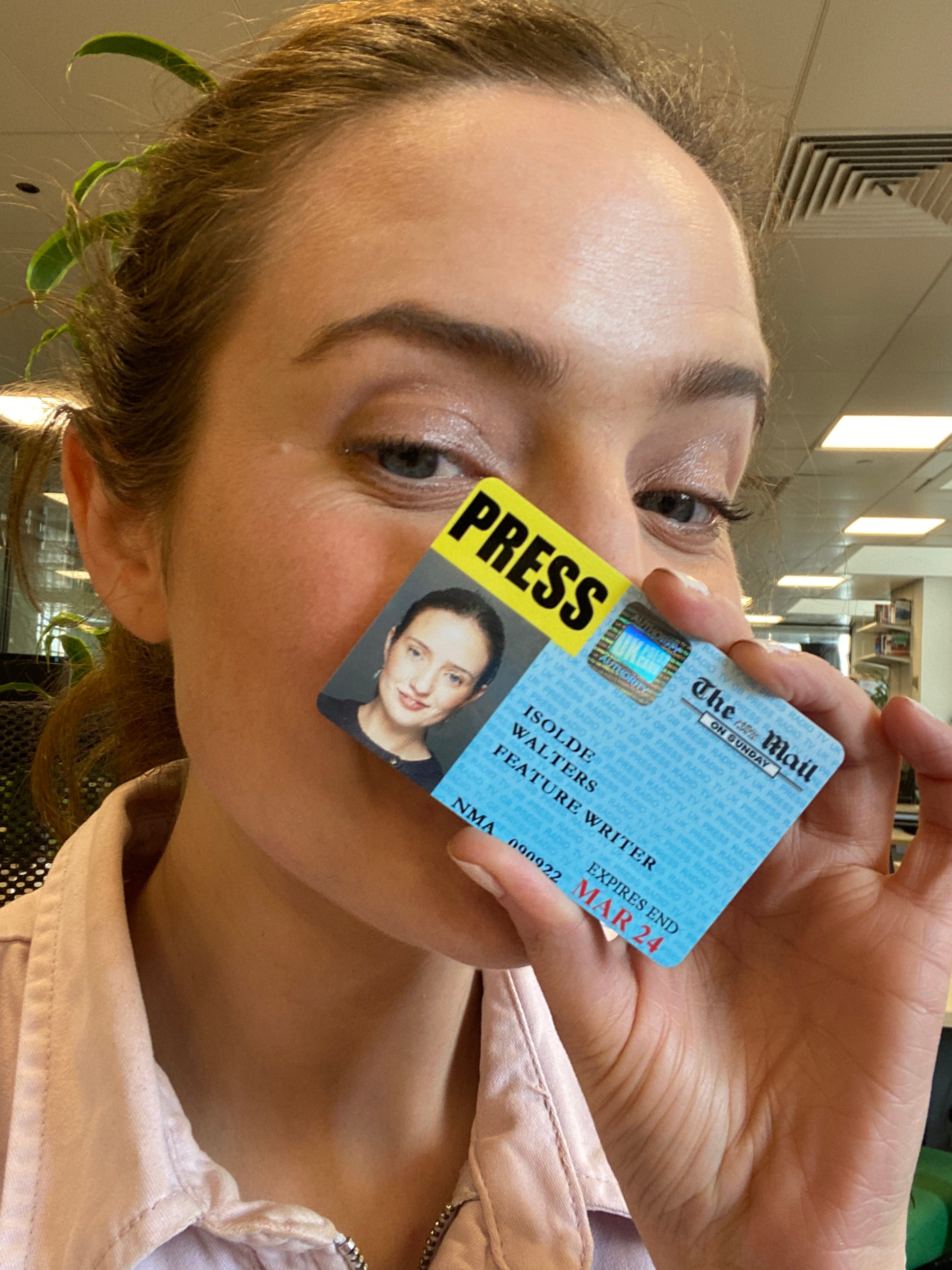
She did. I got an interview. It was very strange. (If you think someone in a job interview is quite odd, trust me, they won’t assure you of their normalcy when you start working for them.) I was asked for a drink at The Ivy the day after my interview, two editors sat with me for ten minutes, left abruptly, then a day later I was offered the job.
I’m not going to get too into the weeds but something happened at the MoS - the tectonic plates of power shifted - in between my accepting the job and starting it which basically meant the job was doomed from the offset.
My experience at the MoS was of a lot of spiking - that’s when you write a story and the powers-that-be decide not to run it. I was there for a year and a half and I got about ten stories published in the paper. That is crazy! My parents were flummoxed: why are they paying you all this money and not running your stories? my mother marvelled.
But, I did do one story at the MoS which, well, turned out to be quite pivotal in the course of my career.
Yonks ago, at a yoga retreat, someone told me she did ayahuasca in the woods outside Norwich. At the time, I chalked it up as a mad thing some people did. And then ayahuasca (a kind of psychedelic) became more popular and Prince Harry revealed that he had taken it in his memoir. (Top tip for British journalists: anything pegged to a royal is likely to work as a story).
I thought: ayahuasca is technically a class A drug, I’ll go on one of these retreats in the UK undercover and write about it. This really was the perfect story to do at the Mail because it required resources. The retreat alone (near Stockport with a self-styled shaman) was £800, then I had to hire a car etc etc. They sent me off to a rather secretive man in London who gave me a backpack with a concealed camera in it to film the illicit goings on, which made me feel like James Bond.
My main concern about the job was that I didn’t totally trust myself not to take the ayahuasca. I’m an addict, have always been quite interested in the drug and I feared I might think, fuck it, when presented with it. I was also a bit worried that everyone would look at me and I’d just have to take it.
We all filed into an outbuilding, filled with mattresses, buckets (you vomit on ayahuasca) and loo rolls - so: squalid. Everyone was given a cup of muddy water and a thought came to me: you would worry a lot less what people thought about you if you knew how rarely they did. I realised in a flash that everyone in the room was far more focussed on their own incoming trip than on me and my tea. So I tipped the muddy liquid into my bucket and lay on the mattress for five hours while people vomited, wailed, groaned, beat bongos and had all manner of epiphanies around me.
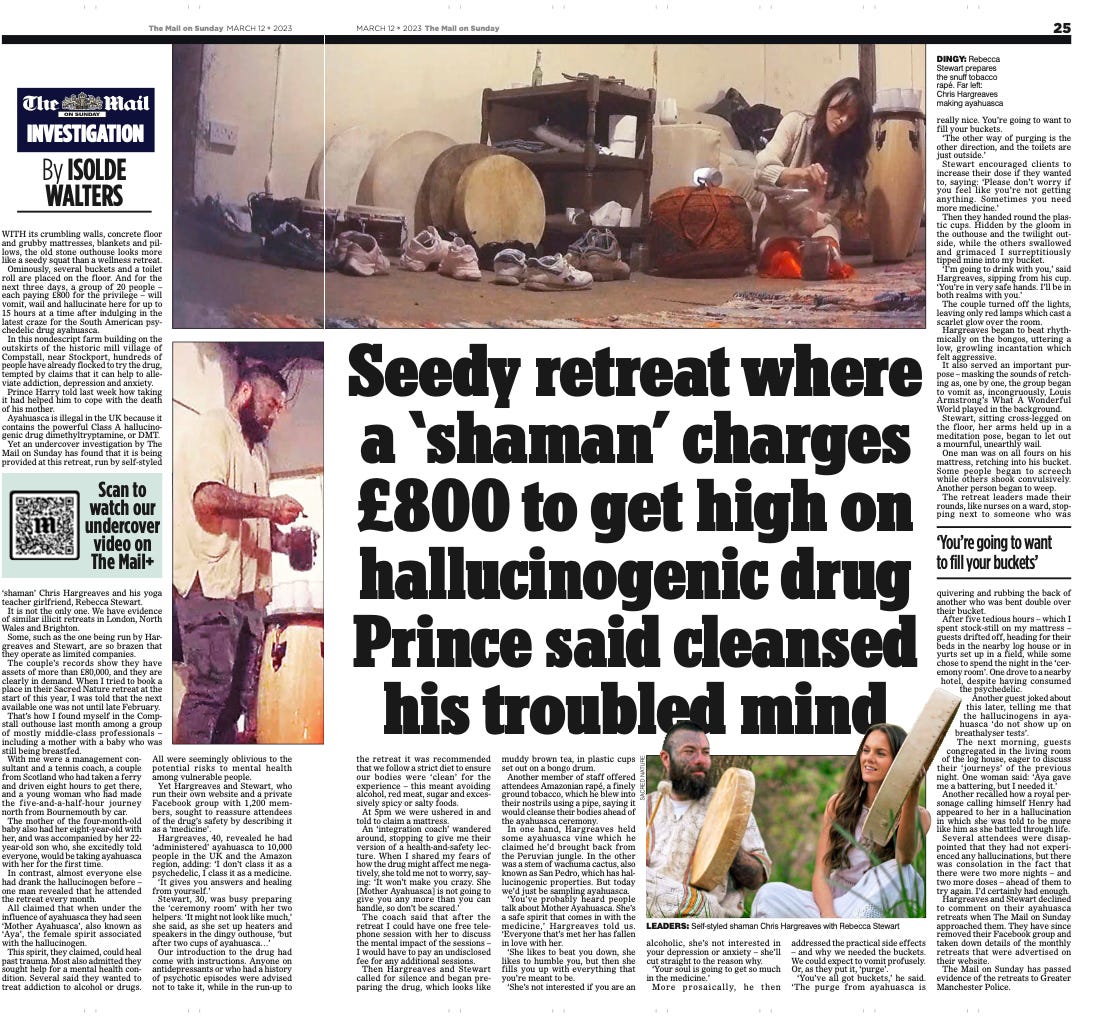
In truth, I still wonder what it was like. And why these people paid £800 and described it as medicine? But the MoS - and in truth, pretty much all newspapers - was not interested in such nuance. The piece ran, alongside an interview with a mother who had lost her daughter to suicide after attending one of these illicit ayahuasca rituals, which did make the story feel more serious and worthwhile than just a poke at Prince Harry.
I’m proud of the story; it feels like my one brush with true undercover journalism. But I still think a piece looking at why these people took ayahuasca would probably have been more interesting.
Freelance
I didn’t choose to go freelance. I doubt I would have if I hadn’t been pushed, and made redundant from the MoS when they merged with the daily paper and axed the whole features department. It was a horrible experience. Redundancy leaves its mark on you - ever since I scan the horizon for it - but in retrospect, what a good thing to have gone freelance.
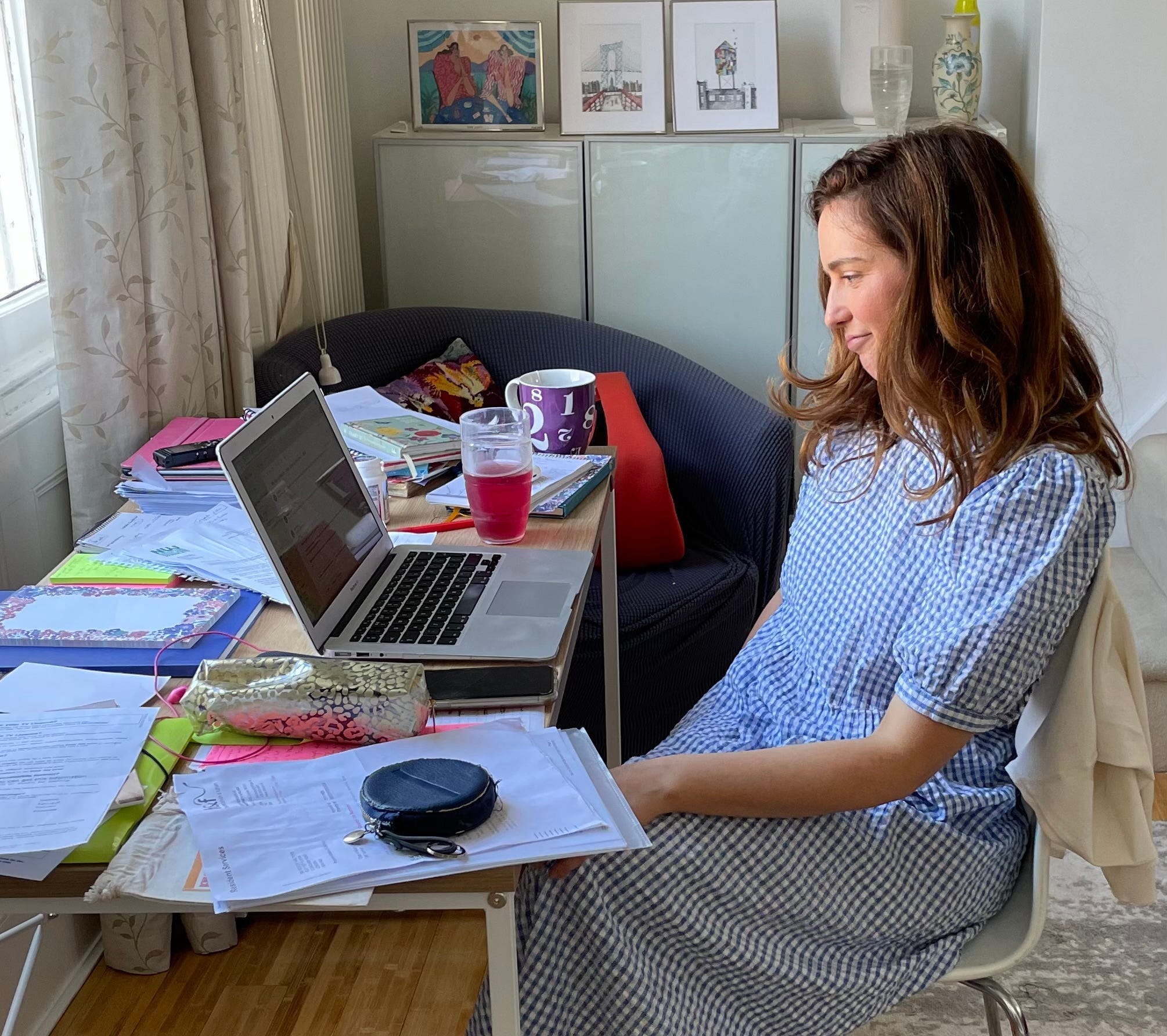
Elon Musk once described starting a business as ‘eating glass while staring into the abyss’ and sometimes attempting to make a living as a freelance journalist felt the same level of impossible. I was forever worried about not having enough work, not having enough money, where my career was going. And I was very, very lonely.
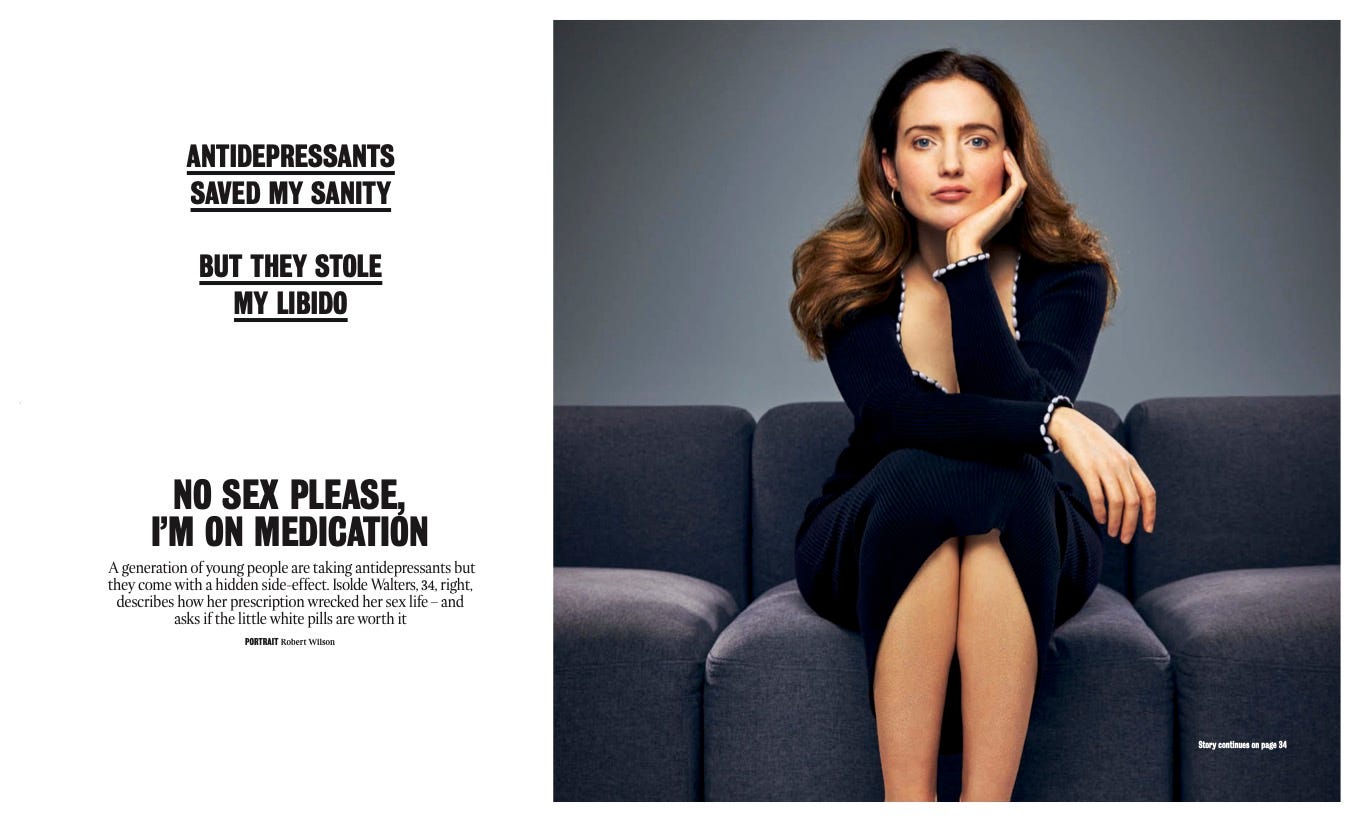
And yet, I had never felt more connected with my work or more proud of the things I was writing. I received messages from people who had read what I had written (that hardly ever happened before). I’m so glad I wrote certain pieces too, in particular the first person pieces I wrote for The Times: about the sexual side effects of antidepressants, getting sober, and buying my first house thanks to the Bank of Mum and Dad.
It also made me a better journalist. So, while I do not wish to return to it (not in that form, and not now), I am also very very glad that I ate glass and stared at the abyss for a bit.
How my job came about…
My job came about, as many wonderful things in my life have actually, like a gift falling into my lap. It was January and over Christmas I’d reflected and thought to myself: this journalism path might not be right for me anymore.
I wasn’t stressed about it but I thought: something needs to change, and I will need to be open to that. Then, in mid-January, I got an email from the editor. The only time in this patchy old curriculum vitae that I have been approached - and guys, I highly recommend it, it’s fabulous.
I joined the features team of said magazine, which is not a million miles away from the world of The Devil Wears Prada, and, (I’m terrified of jinxing it by writing about it), I adore it.
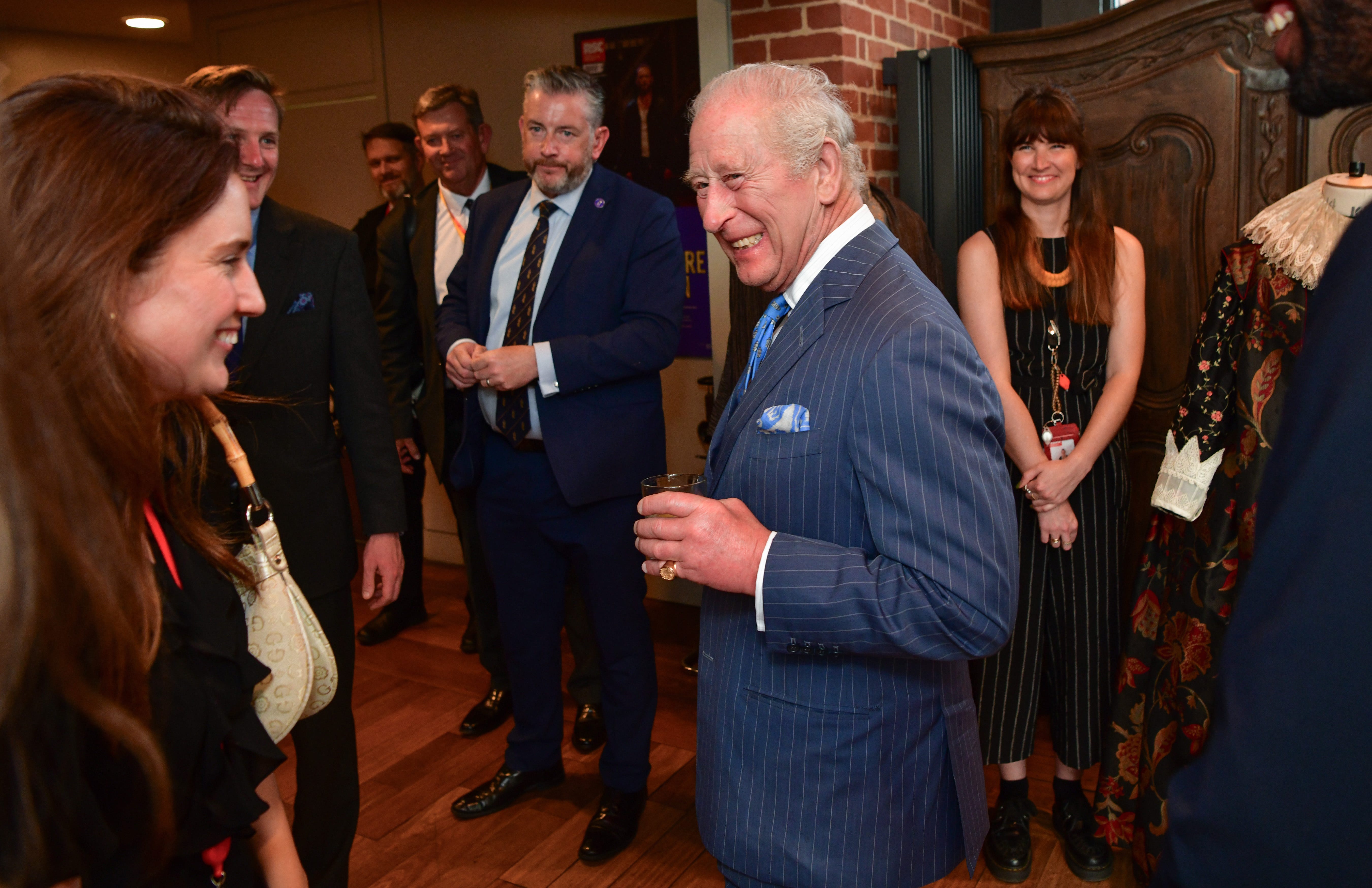
The work is at that stimulating intersection of what I enjoy doing and what I’m good at. The substance of the job is challenging but fun and creative, working with good, kind and often deliriously amusing people. And, the opportunities that come one’s way are truly astounding. I’ve been on a safari in South Africa, stayed on a tech tycoon’s private island off the coast of Pembrokeshire, investigated a high society feud on the French Riviera, met the King (well, giggled with him at least!), attended Silverstone and Chelsea Flower Show… and you never know what may be next.
Trust me, I’ve definitely acquired a taste for glamour, but really it all comes down to going out into the world, talking to people, experiencing something, then writing it down. And that’s what I love. That’s why I’m scribbling this Substack in my own time: I’ve lived this life and I’m trying to tell you about it. I enjoy attempting to pin reality down on a page with words. I don’t often feel I succeed, but I love to try.
If you’ve made it to the end, well done, well done, well done. I hope you got something out of this wandering and looping curriculum vitae. What’s yours been like? Please tell me. And I’ll see you again soon x
so interesting to hear about your experiences from an aspiring journalist xx:)
Loved every word of this!!!